
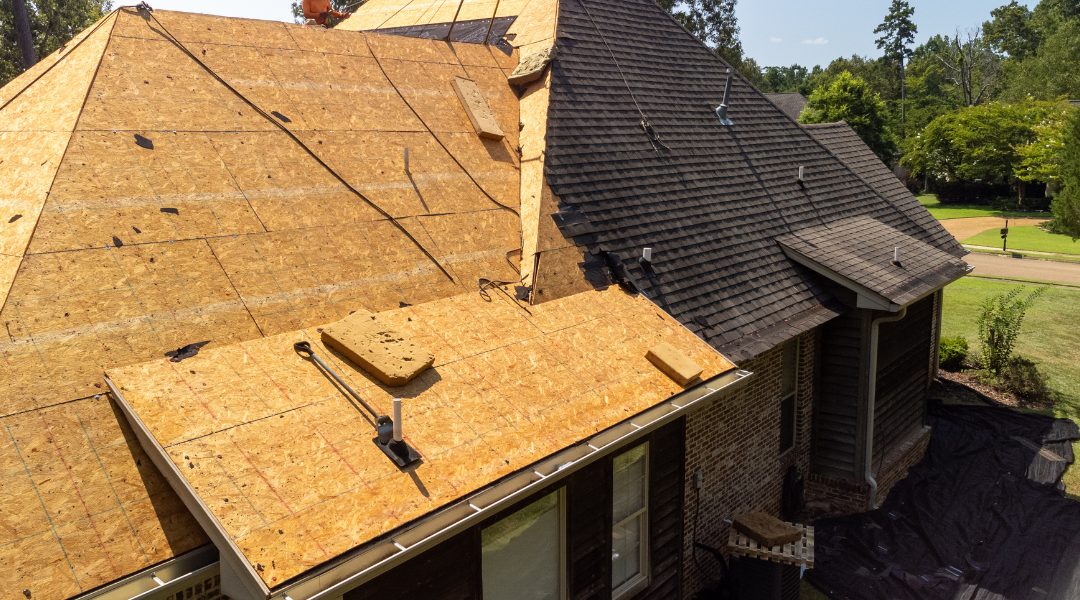
Summary
In Calgary, roof replacement timing isn’t just a matter of convenience. Temperature affects how shingles seal and how cleanly they can be installed, and our climate compresses the ideal window more than most homeowners realize. Late spring through early fall is your best bet, with summer demand surges and cold-weather risks on either side. This post covers what actually affects installation quality, when to book, and how Calgary’s quirks, including Chinooks and hail season, factor into the decision.
| Time to Read | ~6 minutes |
| What You’ll Learn |
|
| Next Steps |
|
Most Calgary homeowners only think about their roof when something goes wrong. But if a replacement is coming, getting the timing right can mean the difference between a clean installation and one that comes with trade-offs you didn’t expect.
Temperature, season, and Calgary’s unpredictable weather all affect installation quality, how quickly you can get a contractor on-site, and what the process looks like from start to finish. If you’re not sure where to start, our crew at Big 5 is happy to help.
Why Temperature Matters More Than Most Homeowners Realize
Asphalt shingles have a self-sealing adhesive strip along the lower edge that’s designed to bond with the shingle beneath it once it’s heated by the sun. That seal plays an important role in helping the roof resist wind uplift and moisture intrusion over time.
For the adhesive to seal properly, installers generally want ambient temperatures around 10°C or higher, ideally with some direct sunlight after installation.
Below that threshold, the seal won’t activate on its own. Installers can hand-seal each shingle individually, but that adds time, increases labour costs, and introduces more potential failure points than a thermally activated seal does. It also puts more pressure on the installation crew to get it exactly right every time.
Cold temperatures also make the shingles themselves more brittle. Below about 4°C, asphalt shingles can crack during handling and nailing, and a cracked shingle isn’t doing its job. On the other hand, extremely hot days above 35°C can cause shingles to scuff or distort during installation, though that’s a less common issue in Calgary than the cold.
The sweet spot is roughly 10–25°C. In Calgary, that window runs pretty reliably from late May through early October.
The Best Season for Roof Replacement in Calgary
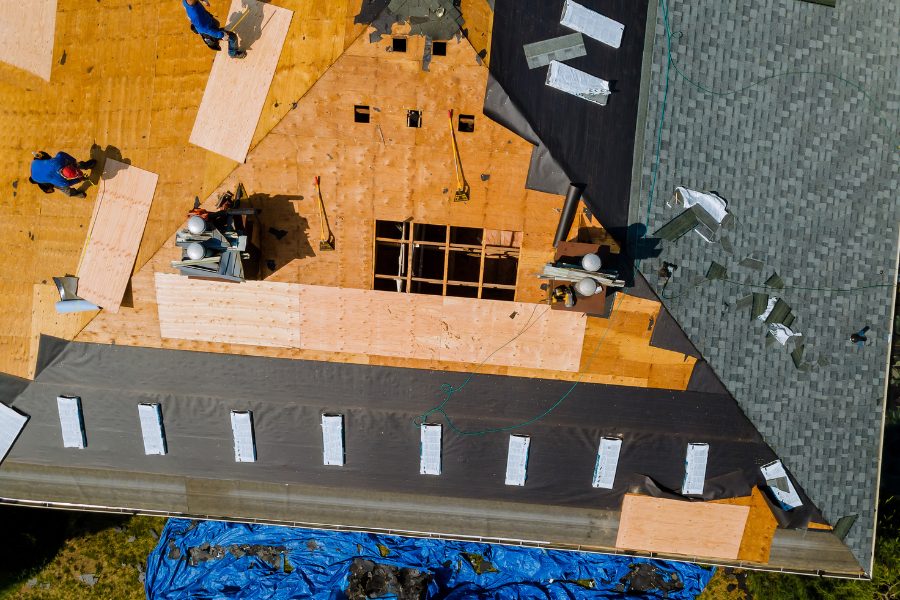
Late Spring (May–June): The Best Overall Window
Late spring is our top recommendation for the majority of Calgary homeowners who are planning a roof replacement. Temperatures are consistently in the right range, you’re coming out of winter with any damage fresh and visible, and you’re getting ahead of the summer hail season before contractor schedules fill up.
Booking in May or early June also gives you the best chance of getting a scheduled slot within your preferred timeline. By the time a major summer hailstorm hits, contractor waitlists (at least the reputable ones) can push your timeline even further, adding potentially more damage to your already compromised roof.
Summer (July–August): Good Conditions, High Demand
Installation conditions in summer are excellent. The problem is demand. Calgary is one of the most hail-prone cities in Canada, and a significant storm in July or August can immediately create a backlog that pushes new bookings out by months. If you’re planning a summer replacement, book early and don’t wait for a storm to be your motivation.
Insurance claims also slow things down. When your neighbours are all filing at once, adjusters are backlogged, approvals take longer, and everyone is competing for the same contractors.
Early Fall (September–October): Still a Strong Option
September and most of October still offer good installation conditions in Calgary, and the post-hail rush has typically settled down by then. A fall replacement also puts a fresh roof on your home before winter, which is exactly where you want to be heading into freeze-up.
The window starts to close in late October. Once overnight temperatures are consistently dropping below freezing, you’re moving into the range where cold-weather trade-offs become a real factor.
The Case for Replacing Before First Snowfall
If your roof is already showing signs of age or a reputable roofing company has done a thorough assessment and recommended a replacement, putting it through another Calgary winter can add a lot of stress to an already weakened system. Freeze-thaw cycles force water into small gaps beneath aging shingles, snow loads put additional pressure on vulnerable decking, and ice dams are more likely to form along roof edges where shingles and flashing no longer seal properly.
A roof that limps through one more winter often comes out the other side in significantly worse shape. The spring inspection after a hard winter has a way of turning a “borderline” roof into an urgent replacement. Getting it done in the fall, before the ground freezes and the snow arrives, is almost always the smarter call.
What You Need to Know About Winter Installs
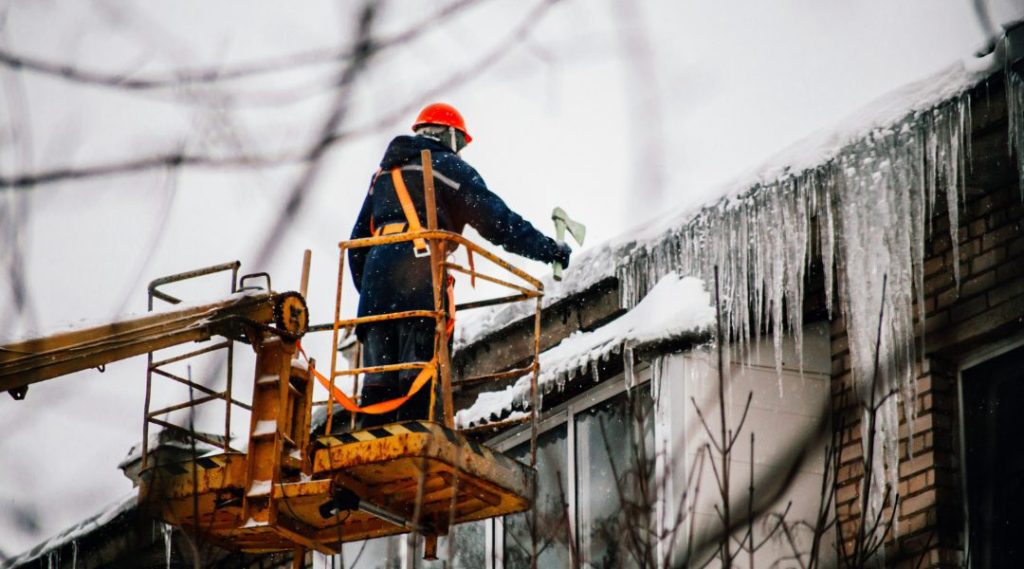
Winter replacements aren’t impossible, but they come with real trade-offs that any honest contractor will tell you upfront.
- Below 10°C, hand-sealing is required on every shingle
- Shingle brittleness increases cracking risk during handling
- Shorter daylight hours reduce the working window each day
- Calgary’s winter weather is unpredictable enough that a job that should take three days can stretch considerably longer.
That said, Calgary has one climate quirk that changes the equation: Chinooks.
The Chinook Window
When a Chinook rolls in during January or February, temperatures can jump to 10°C or above and hold there for several days. An experienced Calgary contractor can work in those conditions effectively and produce a quality installation. If your roof is actively failing and you can’t wait for spring, a Chinook window is a legitimate option, not just wishful thinking.
It’s not a substitute for planning ahead. But it’s worth knowing that a winter replacement, done by the right crew during the right weather, can be done well.
Hail Season and Contractor Availability
Calgary’s hail season runs roughly from May through August, with the most severe storms typically hitting in June and July. One major storm can generate hundreds of insurance claims overnight and push contractor availability out by weeks or even months.
If you already know your roof is nearing the end of its life, or is showing signs that a replacement will be necessary soon, it’s better to plan ahead than wait for a hailstorm to force the issue. Once a major storm hits, roofing companies and insurance adjusters get backed up quickly. Homeowners usually have the smoothest experience when they schedule replacement before hail season starts or after the late-summer rush has passed, treating it as a planned project instead of an emergency response.
A few things to keep in mind if hail damage is what prompted your assessment:
- Check your eavestroughs for granules after a storm. Heavy granule loss is one of the clearest signs of shingle damage.
- Document everything before any repairs are made, for insurance purposes.
- A reputable contractor will give you an honest assessment of whether you’re looking at a repair or a full replacement.
Does Timing Affect What You Pay?

Not always in the way people expect. Reputable contractors don’t tend to spike their prices after a hailstorm. What changes are availability and wait times, not necessarily the quote itself.
Where timing does affect cost, it does so indirectly. A roof that goes through another winter in poor condition often means a bigger job in spring, more deck damage to address, and potentially interior repairs if water has been getting in. The cost of waiting is usually higher than the cost of acting.
Off-season scheduling can offer you more flexibility, but weather and installation conditions still come into play. To get the most long-term value from your roof, your best bet is to have your new roof installed under the right conditions, by an experienced crew, and backed by a solid warranty, not just jumping on the lowest quote or the fastest opening on the schedule.
When Should You Replace Your Calgary Roof?
Here’s a straightforward framework:
- Best overall: Late spring (May–June), before hail season and before schedules fill up
- Also strong: Early fall (September–October), before freeze-up
- Viable with early booking: Summer, if you’re not waiting on a storm to motivate you
- Last resort only: Winter, unless a Chinook window opens and your roof can’t wait
Get an Assessment Before You Commit to a Timeline
Before you decide on the best time to schedule a replacement, it helps to know the actual condition of your roof beforehand. A roof that looks fine from the street may already have granule loss, soft spots, or ventilation problems affecting its lifespan. On the other hand, some roofs that seem close to replacement still have a few good years left with targeted repairs and maintenance.
At Big 5, we’ve been assessing and replacing Calgary roofs since 1984. Give us a call or request a no-obligation quote online, and we’ll give you a straight answer about where your roof stands and when it makes sense to act.