
Summary
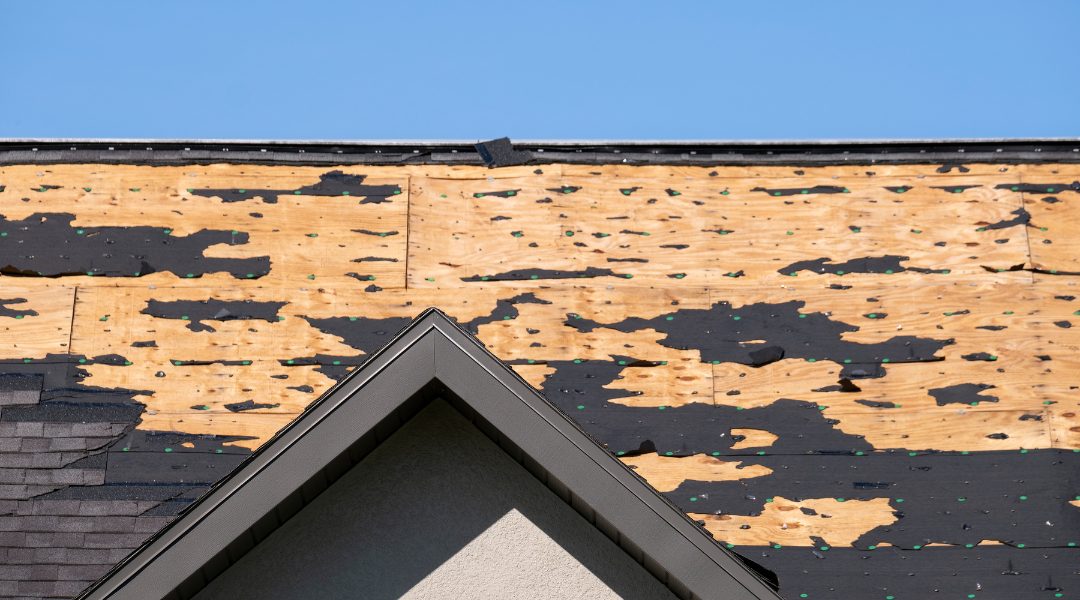
Calgary’s weather shortens roof lifespans well below national averages. Chinook winds cause repeated expansion and contraction stress, freeze-thaw cycles force water under shingles, hail cracks and degrades shingle surfaces, and high-altitude UV breaks down asphalt faster than most manufacturers’ estimates account for. Asphalt shingles, metal roofing, and cedar shake all perform differently in our climate. Knowing the warning signs of premature aging and keeping up with maintenance can add years to your roof’s life.
| Time to Read | ~7 minutes |
| What You’ll Learn |
|
| Next Steps |
|
If you’ve Googled “how long does a roof last,” and landed on an answer somewhere between 20 and 50 years, you’re not wrong, but you’re also not getting the full picture. Those numbers are national averages, and Calgary isn’t an average Canadian city when it comes to weather.
Between the hail, the Chinooks, the freeze-thaw cycles, and the high-altitude UV, Calgary puts roofs through a level of stress that most other Canadian cities don’t. That means the timeline for your roof could look a lot different from what you’d read in a general guide. Here’s what you actually need to know from the experts at Big 5 Exteriors.
Average Roof Lifespan by Material in Calgary
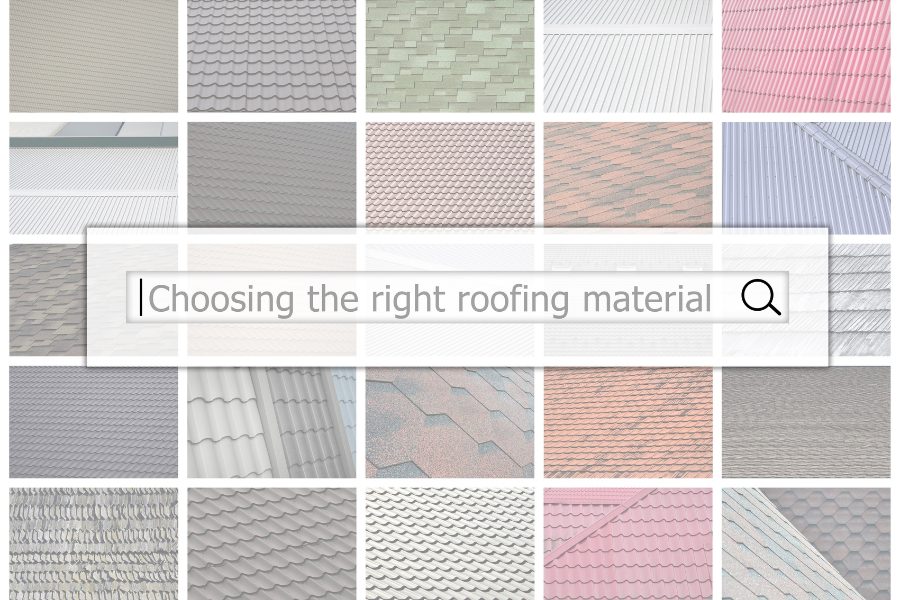
The type of material your roof is made from is the biggest factor in how long it’ll last. Take a look at a quick comparison of the most common options used specifically for Calgary’s climate.
| Material | National Average | Calgary Reality |
| Asphalt Shingles (standard) | 25-25 years | 15-20 years |
| Asphalt Shingles (architectural) | 25-30 years | 20-25 years |
| Metal roofing | 40-70 years | 35-50 years |
| Cedar shake | 25-30 years | 15-20 years |
Asphalt Shingles
Asphalt shingles are by far the most common roofing material in Calgary, and they’re a solid choice, but you should plan on them lasting a few years less than the national average suggests. Calgary’s hail and UV exposure are the main culprits for this. Architectural shingles hold up better than standard three-tab shingles and are worth the upgrade if you’re replacing your roof.
Metal Roofing
Metal is one of the better roof material choices for our climate because it handles hail better than asphalt, sheds snow effectively, and doesn’t suffer the same granule loss from UV exposure. It costs more upfront, but the lifespan reflects that.
Cedar Shake
Cedar shake looks beautiful, but it struggles in Calgary. The moisture from snow and ice accelerates rot and mould, and the intense UV dries the wood out faster than in more temperate climates. If you have cedar shake, it needs regular maintenance to reach even the lower end of its expected lifespan.
Why Calgary’s Climate Is Unusually Hard on Roofs
As anyone who’s lived in Calgary (or even visited for any length of time) can tell you, our weather is genuinely unusual, and it takes a real toll on roofing materials. Here’s why.
Chinook Winds
Chinooks are one of Calgary’s most distinctive weather features, but they’re hard on our roofs. When a Chinook rolls in, temps can swing by 20°C or more in just a few hours. Roofing materials expand and contract with those changes, and repeated cycles over many years cause stress cracks and loosen the bond between shingles and the roof deck.
Freeze-Thaw Cycles
Even without Chinooks, Calgary sees a lot of freeze-thaw cycles throughout spring and fall. When water gets under a shingle in warmer weather and then freezes when the temp drops, it freezes, causing it to expand, which forces the shingle up slightly. Over dozens of cycles, this leads to cracking, curling, and eventually leaks.
Hail
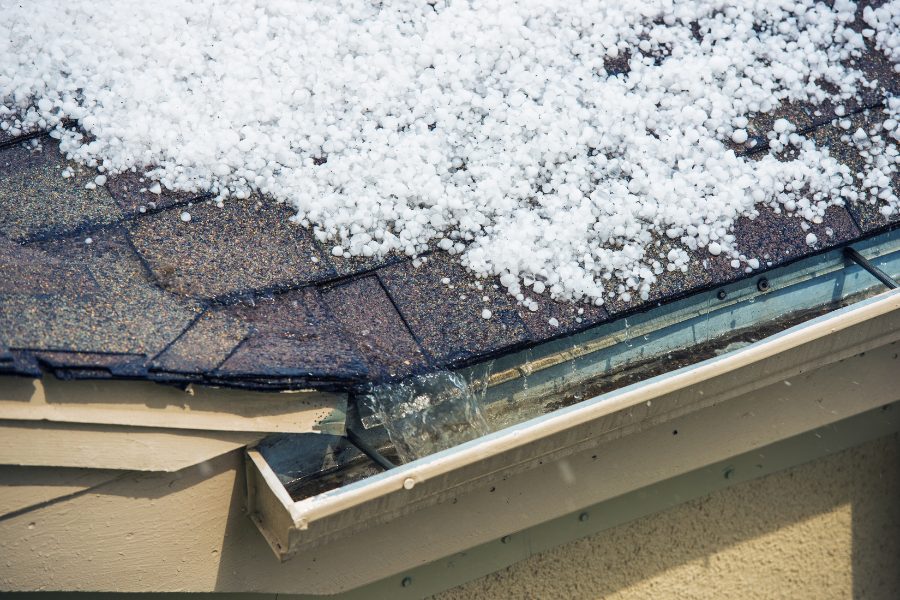
Calgary is one of the most hail-prone cities in Canada. A single major hailstorm can knock years off a roof’s lifespan by cracking shingles and accelerating granule loss. Many homeowners don’t realize the damage is there until it starts showing up as leaks a year or two later.
High-Altitude UV Exposure
Calgary sits at about 1,045 metres above sea level. At that altitude, UV radiation is noticeably stronger than in cities at lower elevations, and it breaks down the asphalt in shingles faster than the manufacturer’s estimates (which are typically based on average conditions) would suggest.
Factors That Accelerate Aging Beyond the Climate

Calgary’s weather is tough enough on its own, but these factors make things worse.
- Poor attic ventilation. If heat and moisture can’t escape your attic, they’ll attack the roof deck from underneath. This is one of the most common causes of premature roof failure and one of the most preventable.
- Storm damage left unrepaired. A few cracked shingles after a hailstorm might not seem urgent, but water finds its way in quickly. Small repairs left unaddressed become expensive problems fast.
- Low-quality installation. Even the best shingles won’t perform well if they’re not installed properly. This is one of the main reasons we see roofs fail well before their expected lifespan.
- Roof-over-roof installations. Installing new shingles over old ones might save money in the short term, but it traps heat between the layers and shortens the new roof’s lifespan.
Warning Signs Your Roof Is Aging Faster Than Expected
You don’t have to wait for a leak to know your roof is in trouble. Watch for these signs:
- Granule loss: If you’re finding granules (the small, gritty bits that coat asphalt shingles) in your eavestroughs or on the ground below your downspouts, your shingles are wearing down. Dark patches on the shingles themselves are another sign.
- Curling or buckling shingles: Shingles that are curling at the edges or buckling in the middle are no longer lying flat against the roof deck, which means they’re no longer doing their job properly.
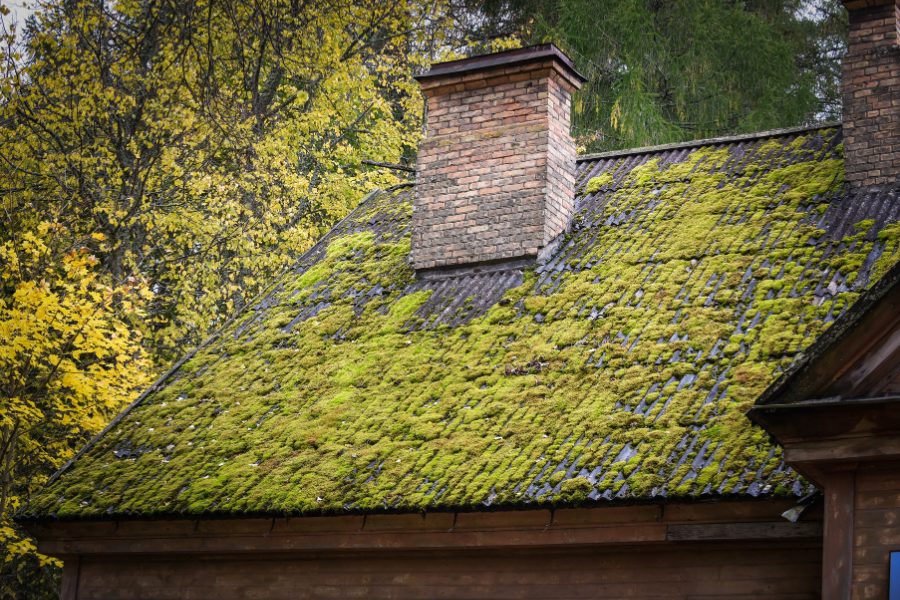
- Moss or algae growth: Moss or algae retain moisture against the shingle surface, accelerating deterioration. It tends to show up on north-facing slopes first.
- Daylight in the attic: If you can see light coming through your roof boards when you’re in the attic, water can get in, too.
- Interior water stains: Staining on your ceiling or upper walls after rain or snowmelt is a sign that water is already getting through somewhere.
How Roof Slope and Orientation Affect Wear in Calgary
The particular slope of their roof or their home’s orientation isn’t something a lot of homeowners think about, but it can actually make a huge difference.
South-facing slopes take the brunt of Calgary’s UV exposure and also experience the most dramatic temperature swings during Chinooks. Shingles on the south side of a roof tend to show wear earlier than those on any other side.
North-facing slopes get less sun, so they stay damp longer after rain and snowfall. This makes them more prone to moss growth and ice dams forming along the eaves.
Steeper slopes shed snow more effectively, which reduces the load your roof has to carry through winter. Lower-slope roofs hold snow longer, so they’re forced to try to handle sustained moisture exposure and more weight.
Maintenance Steps That Extend Your Roof’s Lifespan
You can’t control Calgary’s weather, but you can control how well your roof is maintained. The roof experts at Big 5 Exteriors have put together a checklist for you to help you get the most out of your roof.
- Get an annual inspection. Late summer or early fall is the best time, before winter arrives and while any damage from hail season is fresh enough to address.
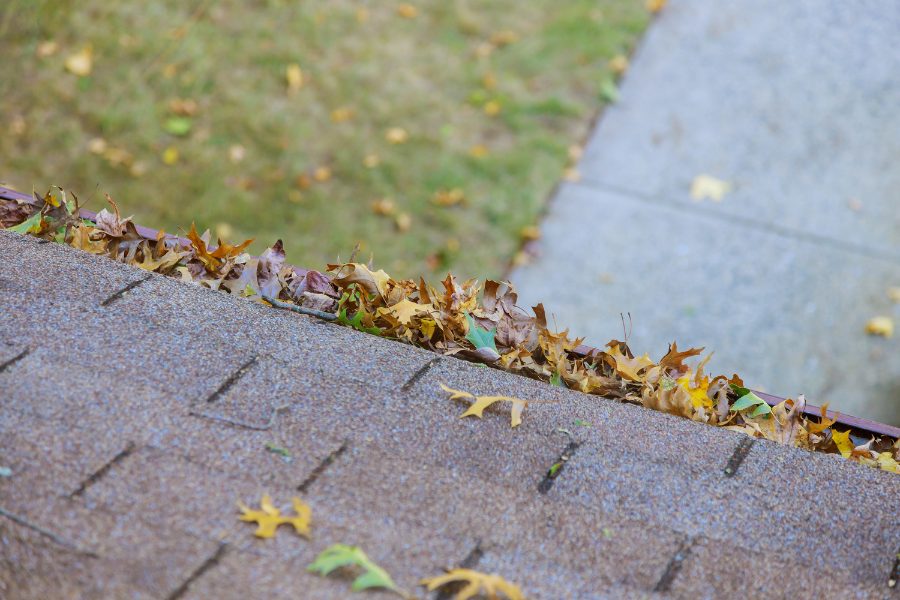
- Keep your eavestroughs clear. Blocked eavestroughs cause water to back up under shingles and create ice dams in winter. It’s one of the simplest things you can do to protect your roof.
- Fix small problems as soon as possible. A cracked shingle or a small area of missing granules is a small repair, but when it’s left alone, it becomes a leak, and a leak becomes deck damage. Don’t let small issues compound.
- Check your attic ventilation. If your attic is unusually hot in summer or showing signs of moisture in winter, your ventilation isn’t doing its job. A professional can assess this and fix it before it causes roof damage.
- Trim overhanging branches. Branches that hang over your roof drop debris into your eavestroughs and can cause physical damage to shingles during windstorms.
When Maintenance Is No Longer Enough
There comes a point when ongoing repairs stop making financial sense. Here are the signs that replacement is the smarter call:
- More than 25–30% of your shingles are damaged or missing
- You’re dealing with leaks in multiple areas of the roof
- There’s visible sagging or soft spots in the roof deck
- Your roof is at or past its expected lifespan for Calgary’s climate
- The cost of repairs is approaching 50% of what a replacement would cost
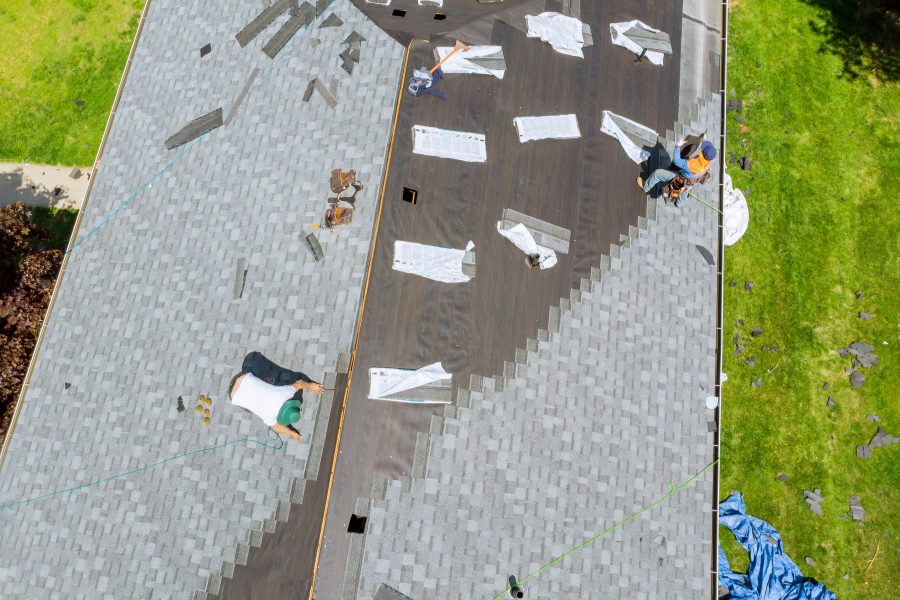
At that point, continuing to patch the roof is like putting new tires on a car with a failing engine. A full replacement gives you a fresh start with a proper warranty and known materials.
Get a Professional Assessment for Your Specific Roof
General timelines are a useful starting point, but every roof ages differently. The materials, the quality of the original installation, your attic’s ventilation, how many hailstorms have hit your neighbourhood, and which direction your roof faces all affect how long yours will actually last.
A professional inspection gives you an honest, specific answer for your home rather than a guess based on averages. At Big 5, we’ve been assessing and replacing Calgary roofs since 1984, and we’re happy to give you a straight answer about where your roof stands. Give us a call or reach out online for a no-obligation assessment.